
Why we rewrote our editor in a weekend (and shipped it Monday)
A short story about scope, taste, and the underrated leverage of a very small team that trusts each other.

The most important shift in the last decade of software is that distribution has become as much of a product surface as the product itself. Teams that treat their blog, their docs, and their onboarding as one continuous experience win compounding trust — and compounding trust is what eventually becomes revenue.
That framing sounds abstract, so let's ground it. When a prospective customer lands on your homepage, they are almost never converting on that visit. They are collecting evidence. Every page they touch afterwards — a blog post shared in a Slack channel, a changelog entry, an engineering deep-dive — is another data point in a slow, mostly invisible evaluation.
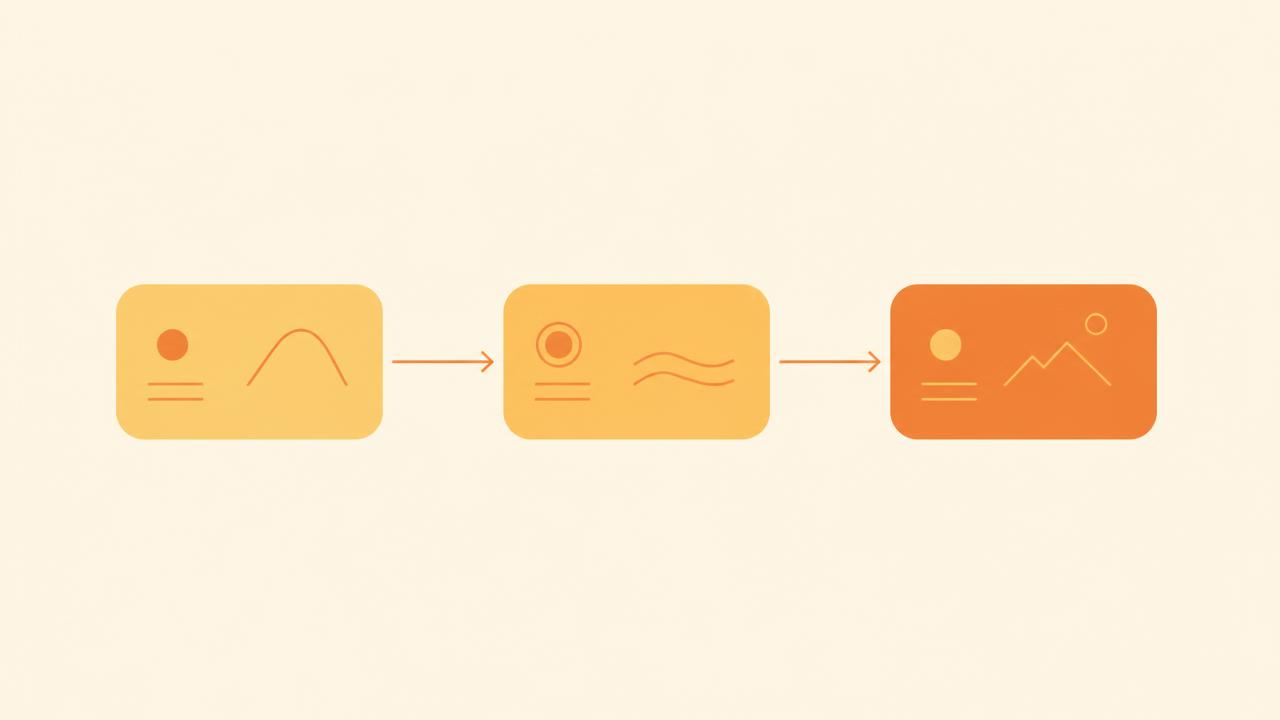
What high-trust content looks like
The teams doing this well share three habits. First, they publish from a real point of view — no hedging, no committee copy. Second, their writing is technically specific enough that a reader can immediately tell whether the author has actually shipped the thing they are describing. Third, they treat the archive as a product: old posts get updated, retitled, and re-linked as the surrounding world changes.

The compounding effect
None of this pays off in a quarter. It pays off over years. But the teams that start earlier and stay consistent build a moat that competitors cannot outspend, because you cannot buy the pattern of "this team keeps being right in public."

If you take one thing from this piece, take this: stop measuring individual posts. Measure the arc of the archive. That is the real asset.